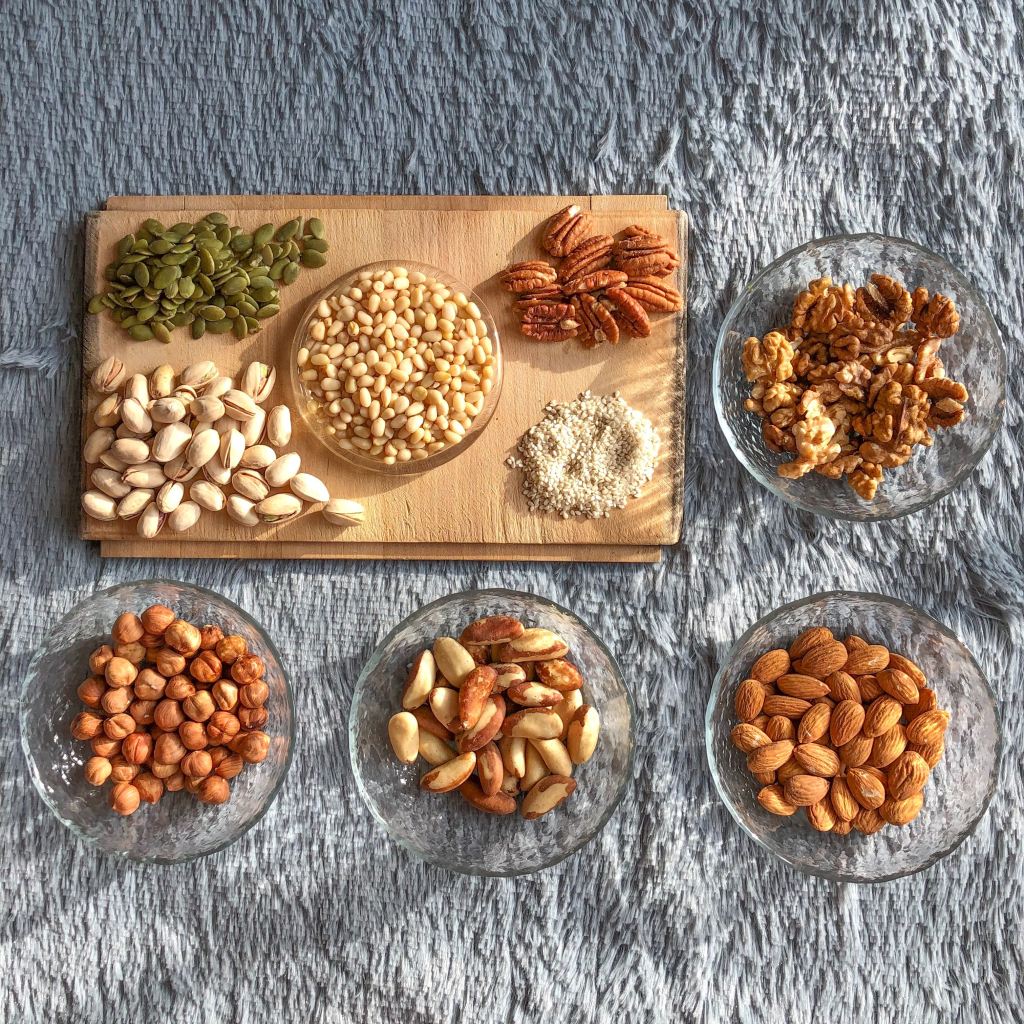
Almonds
Almonds are native to the Middle East and are nutrient dense.
They are rich in antioxidants which protect against oxidative stress, reducing damage from inflammation and aging. They are among the world’s best source of vitamin E, a fat-soluble antioxidant. Since they are high in healthy fats, protein, and fibre, they can help with blood glucose control, insulin resistance in diabetics and help to keep you full.
Almonds contain magnesium which can help lower blood pressure and cholesterol, namely LDL. They stop the LDL being oxidised, which is a step in the development of cardiovascular disease. They are rich in manganese, copper, vitamin K, zinc and magnesium which contribute to bone health.
Since almonds contain folate and unsaturated fatty acid, they have strong neuroprotective benefits. Due to their high fibre content, there has also been some emerging research that they be beneficial for your gut microbiota, and a healthy gut means a healthy body!
Pecans
Pecans are native to North America and contain monounsaturated fats, including oleic acid.
They help reduce LDL and reduce the risk of cardiovascular disease, as do almonds. They are rich in soluble and insoluble fibre, so promote colon health and help with regular bowel movements. Pecans can help stabilise blood sugar because they improve the function of beta cells in the pancreas which produce insulin.
The monounsaturated and polyunsaturated fatty acids they contain make them improve cognition, as these compounds have been linked to decreased mental decline due to reduced inflammation.
Pecans contain manganese, potassium, calcium, iron, magnesium, zinc, and selenium, and help promote satiety. They also provide phytonutrients which have an antioxidant effect, so support immunity. They also contain flavonoids, another antioxidant, which has been linked to decreased prevalence of chronic diseases.
Walnuts
Walnuts have lots of vitamin E, melatonin and polyphenols which prevent oxidative damage of LDL cholesterol, preventing atherosclerosis. They are rich in omega-3 fatty acids, providing 2.5 grams from a 28-gram serving as they contain an essential fat, ALA. Omega-3 fatty acids have also been shown to boost your mood. Walnuts also decrease inflammation, which can lead to many diseases such as heart disease, type 2 diabetes, and cancer, among others.
Nourishing you gut microbiota is essential to optimal health, and eating walnuts is a good source of nutrients for them. When your gut microbiota flourishes, your body thrives and improvements in cognitive, skin, and physical health can be seen. Walnuts contain important phytochemicals that help improve neurogenesis.
14 walnut halves provide nearly 50% of the daily manganese target which is needed for healthy bones, wound healing, and collagen production. They are a very satiating food, making them an ideal snack option.
Peanuts
Peanuts are classified as a legume and originated in South America.
They are rich in monounsaturated fatty acids and polyunsaturated fatty acids; this helps lower LDL cholesterol and stop small blood clots from forming, reducing your risk of cardiovascular disease. They are a low-glycaemic food so don’t cause rapid spikes to insulin levels.
Peanuts are a good source of fibre so help with bowel movements. They are also rich in magnesium, folate, vitamin E, copper, and arginine. Vitamin E is a powerful antioxidant and magnesium has many important functions. Folate is needed for cell division, which is particularly important in pregnant women and infants who are growing, making peanuts a good food to incorporate into the diet.
This post was originally written for @EliBrecherNutrition

