What’s the difference?
Prebiotics are dietary fibre that feed the gut microbiota, allowing them to produce nutrients for your colonic cells, including short-chain fatty acids. Probiotics are live bacteria in certain foods, or they can be found in supplements
Prebiotics
These can be found in many fruit, vegetables and wholegrains. They reduce the rate at which your blood sugar levels spike after consuming food and help absorb calcium too. Sources include:
- Chicory root
- Approximately 68% of chicory root fibre comes from the prebiotic fibre inulin which improves digestion, gut transit and helps control blood glucose levels
- Dandelion greens
- They have 1.92g fibre per 55g, lots of which comes from inulin, which helps increase your gut microbiota
- Garlic
- Promotes the growth of Bifidobacterium, and prevents pathogenic bacteria growing
- It has anti-tumour properties, lower blood glucose and reduce the risk of cardiovascular disease
- Onion
- They are rich in inulin and fructo-oligosaccharides, which help support your immune system and are an antioxidant
- Leeks
- These have similar health benefits to garlic and onion as they are from the same family
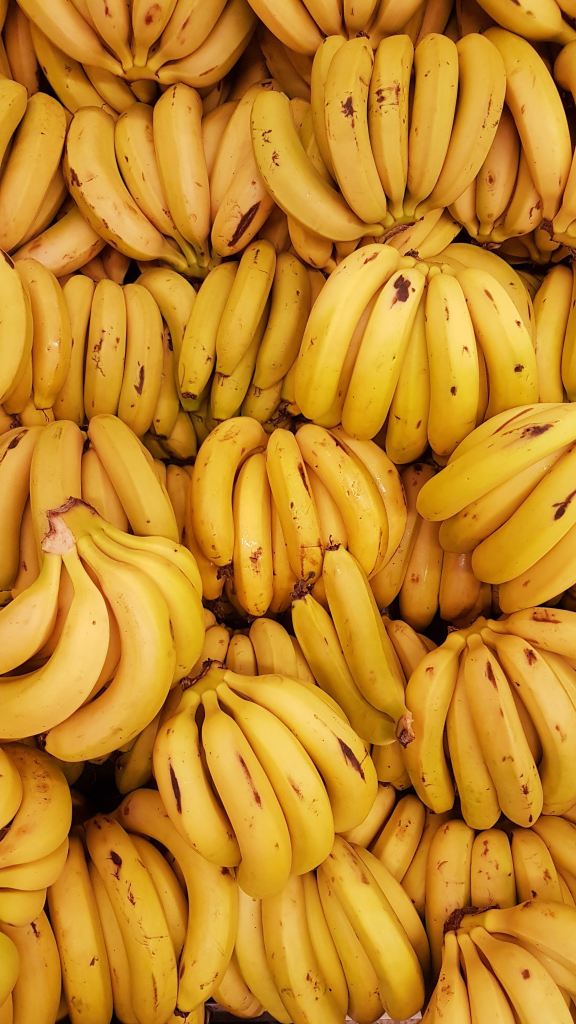
- Bananas
- Unripe, green bananas have lots of resistant starch which has prebiotic effects
- Apples
- They are rich in pectin, a soluble fibre, that can promote a healthy gut as it increases the production of short-chain fatty acids
- Flaxseeds
- These are rich in prebiotics, encourage regular bowel movements and contain phenolic antioxidants
- Other sources include asparagus, Jerusalem artichoke, barley, oats, and cocoa

Probiotics
The 2 main classes of probiotics are Lactobacillus, found in yoghurt which can help with diarrhoea, and Bifidobacterium which is found in dairy and can help alleviate IBS symptoms. There is some research suggesting probiotics can help with the symptoms of depression, since there is a strong connection between the gut and the brain. Taking a probiotic whilst on a course of antibiotics is beneficial as antibiotics can’t distinguish between the good and bad bacteria, so kill some good ones too. Sources include:
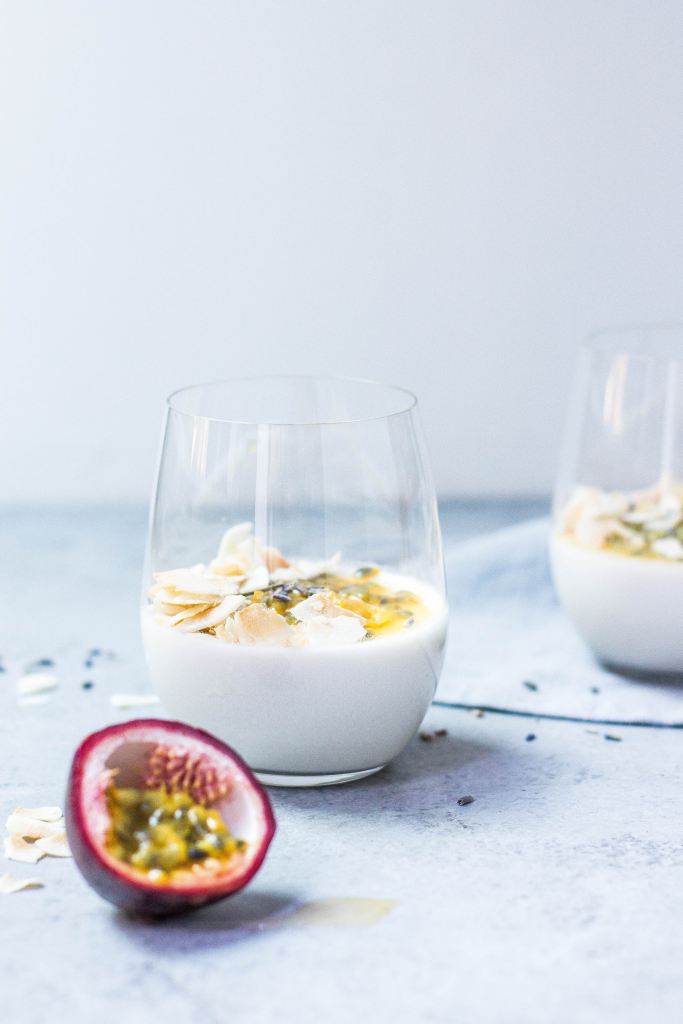
- Yoghurt
- It is made from milk that is fermented by lactic acid bacteria and Bifidobacteria
- Not all yoghurt contains live probiotics, so ensure to choose the ones that have active or live cultures
- Kefir
- It is a fermented probiotic drink made by adding kefir grains (cultures of lactic acid bacteria and yeast) to cow/goat’s milk
- Sauerkraut
- Finely shredded cabbage fermented by lactic acid bacteria which is rich in probiotics and vitamins C, B and K
- Tempeh
- Fermented soybean which is a high-protein meat substitute
- Kimchi
- It is a fermented Korean dish, usually made from cabbage with Lactobacillus kimchii bacteria
- Miso
- Fermented soybeans with salt and a fungus
Be aware
- Probiotics aren’t regulated like drugs, so some products may claim they contain bacteria but not enough of it to have an effect, or may not survive long enough to reach your gut
- There’s also a big difference in the pharmaceutical probiotics used in clinical trials compared to those found in yoghurts and supplements in shops
This post was originally written for @EliBrecherNutrition
 The British Nutritionist